18 May 2026
SMS Billing Revolutionizing Live Casino Tables and Bonus Systems in Minimal-Check Mobile Apps for UK Players
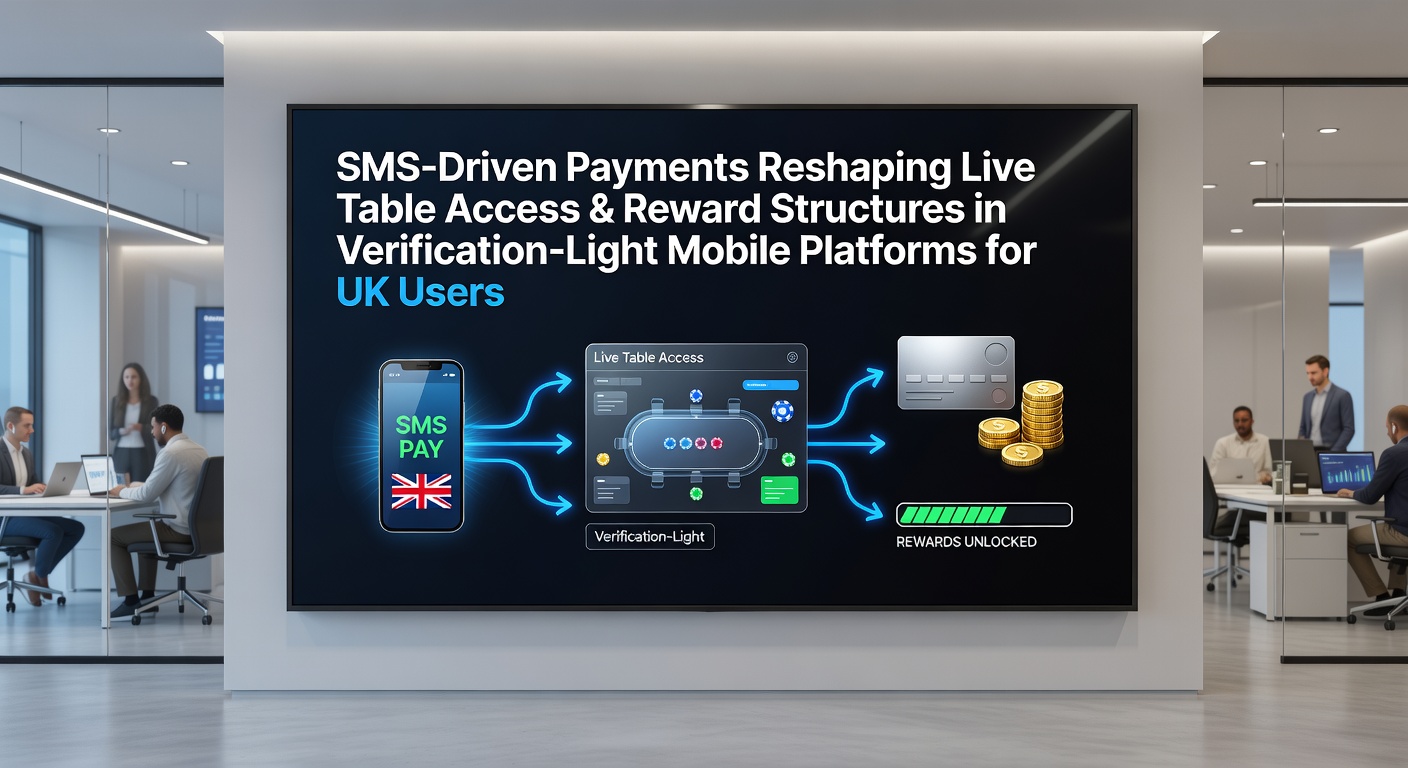
Carrier billing through SMS has gained traction among UK users seeking streamlined entry to live dealer environments on platforms that maintain reduced identity checks, and this shift has altered how participants reach table games while modifying the distribution of promotional rewards. Observers note that transactions completed via text messages integrate directly with mobile carrier accounts, which removes several layers of traditional payment processing and allows quicker transitions into real-time blackjack or roulette sessions hosted by professional dealers.
Expansion of Carrier-Based Deposits in Verification-Light Settings
Platforms operating with lighter verification protocols have incorporated SMS options as a primary funding method, and data from industry reports indicate that such integrations support deposits ranging from small increments to larger amounts without requiring additional card details or bank transfers. Researchers at the University of Nevada's International Gaming Institute have documented similar patterns in mobile payment adoption across various regions, where text-initiated charges reduce friction for users who prefer immediate session starts. In these environments live tables become accessible within moments of confirming a payment code, while standard account creation steps remain minimal compared to fully regulated sites.
Users often encounter interfaces that prompt a simple text response to authorize charges, and this process connects player balances directly to ongoing dealer interactions without intermediate delays. Figures reveal steady growth in transaction volumes during early 2026, particularly as mobile networks expand compatibility with gaming merchants. Those who monitor payment trends point out that verification-light platforms leverage these billing channels to maintain operational speed, which in turn sustains higher session participation rates among UK audiences.
Effects on Live Table Availability and Player Flow
Access patterns to live dealer tables have shifted noticeably because SMS payments bypass slower approval queues, allowing participants to join ongoing games in roulette, baccarat, or poker variants with reduced wait times. Experts tracking mobile gaming metrics observe that verification-light sites report increased table occupancy during peak evening hours, since funding occurs almost instantly through carrier networks. This setup supports continuous play cycles where users move between tables or switch games without re-entering payment information repeatedly.
Studies from the Canadian Gaming Association highlight how streamlined billing correlates with extended engagement periods, and similar dynamics appear in UK-focused platforms that emphasize mobile-first designs. Live dealer streams maintain high definition connections even on variable networks, while reward credits accumulate in real time based on table activity rather than deposit size alone. Observers note that these platforms adjust table limits dynamically to accommodate the influx of SMS-funded entries, which creates more flexible seating arrangements during busy periods.
Adjustments to Reward Mechanisms and Bonus Distribution
Reward structures on these platforms have evolved to reflect the speed of SMS transactions, with bonuses often tied to cumulative play volume across live tables instead of fixed deposit thresholds. Participants receive layered incentives such as cashback percentages on table losses or multiplier rewards that activate after specific hand counts, and these features integrate seamlessly with carrier billing records. Data indicates that verification-light operators allocate promotional funds more frequently to retain users who fund via text, creating cycles where initial SMS deposits unlock progressive reward tiers over short time frames.
Analysts following European mobile commerce trends, including reports linked to the Australian Communications and Media Authority on digital transaction patterns, suggest that such adaptations mirror broader shifts in how entertainment services handle micro-payments. Reward points convert into table credits or exclusive live event access, and players track these accumulations through in-app dashboards that update alongside each completed SMS charge. This approach encourages sustained participation because bonuses refresh based on recent activity rather than calendar-based resets.
Current Landscape for UK Users in Mid-2026
As of May 2026, UK users encounter an expanding selection of mobile platforms that combine SMS billing with live dealer offerings under reduced verification requirements, and these options facilitate direct connections to international studios broadcasting real-time games. Network providers continue refining billing partnerships to handle higher volumes, which supports consistent uptime for table access even during promotional surges. Observers tracking adoption rates note that reward structures emphasize play duration and table variety, allowing participants to unlock additional features like priority dealer seating or themed bonus rounds without separate verification steps.
Platforms maintain compliance frameworks that differ from full regulatory environments yet still process carrier charges securely, and users benefit from transparent fee disclosures embedded in SMS confirmations. Research indicates continued experimentation with hybrid reward models that blend instant table credits with longer-term loyalty multipliers, reflecting the flexibility SMS payments introduce to the overall experience.
Conclusion
SMS-driven payments continue to influence how verification-light mobile platforms structure live table access and reward allocations for UK users, with ongoing developments centered on transaction speed and integrated bonus mechanics. Industry data and cross-regional studies show these changes support fluid participation while reshaping promotional delivery methods around carrier billing records. The patterns observed through 2026 suggest sustained evolution in mobile gaming interfaces that prioritize direct, text-based funding for real-time dealer environments.