10 Aug 2026
Shifting Sands of Anonymous Live Play: SMS-Fueled Tables, Layered Rewards, and Sub-Day Payouts in UK-Accessible Venues
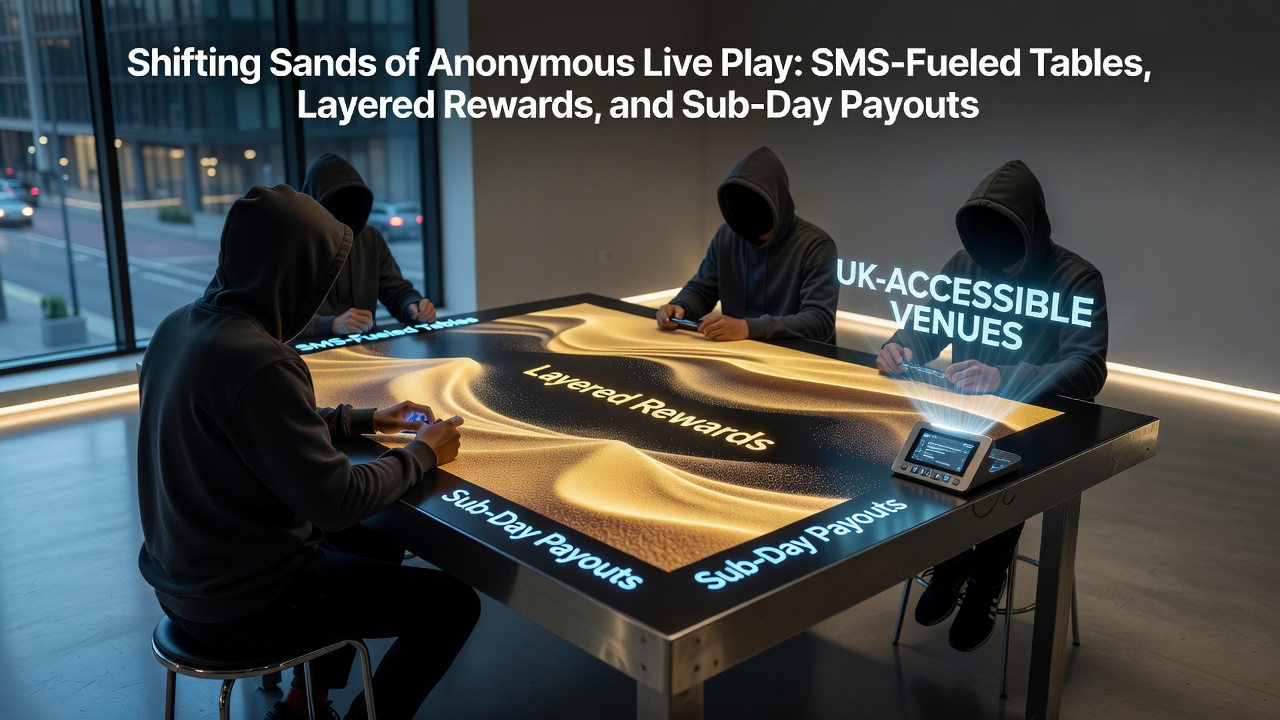
Anonymous live play has evolved through integration of SMS billing systems that connect directly to live dealer platforms, allowing deposits without traditional account verification steps in many UK-accessible venues. These setups combine carrier-based funding with real-time table access, where players fund sessions via text messages that trigger immediate credit additions to their gaming balances. Data from industry monitoring services indicates that such mechanisms have expanded since early 2025, with operators adjusting interfaces to support higher volumes of mobile-initiated live sessions.
SMS Integration with Live Dealer Environments
Live dealer tables in these venues often incorporate SMS gateways that process transactions through mobile networks, bypassing card or e-wallet intermediaries in certain configurations. Operators route these payments through established billing partners, which then credit the player's session balance within seconds of confirmation. Research from the Canadian Centre for Gambling Research shows that carrier billing adoption rates in mobile gaming environments rose by 18 percent between 2024 and 2025, reflecting broader shifts toward friction-reduced entry points. Players initiate play by sending a designated code, after which the system authenticates via the phone account and loads the live stream without additional identity checks in some cases.
Multiple table formats now support this method, including blackjack, roulette, and baccarat variants streamed from studios that accommodate high-turnover anonymous participation. The process maintains session continuity because the SMS trigger syncs with backend software that updates balances in real time, allowing uninterrupted dealer interactions. Observers note that this approach reduces entry friction compared to earlier verification-heavy models, while still relying on the underlying mobile network infrastructure for transaction logging.
Layered Reward Structures in These Platforms
Reward systems in SMS-accessible live environments typically stack multiple bonus tiers, starting with initial deposit matches funded through phone billing and progressing to cashback percentages applied to live table losses. These layers often include loyalty points earned per hand or spin, which convert into additional credits or entry into progressive prize pools. Figures from market analysis firms reveal that operators have increased the number of reward layers by an average of 25 percent since mid-2025, aiming to retain users across extended sessions. Each tier activates based on cumulative activity tracked within the platform's database, with SMS deposits counting toward progression thresholds at the same rate as other methods.
Bonus structures frequently incorporate time-limited multipliers that apply specifically to live dealer outcomes, creating sequential reward opportunities within single sessions. Data indicates these layered systems correlate with higher session durations in venues that combine them with SMS funding, because players receive incremental returns that encourage continued participation. The mechanics rely on automated tracking algorithms that update reward status after each completed round, ensuring transparency through on-screen notifications.

Sub-Day Payout Mechanisms and Processing Times
Withdrawal systems tied to these SMS-funded accounts frequently process requests within hours rather than full days, using automated verification that cross-references the original billing data. Payouts route back through compatible channels, including bank transfers or alternative digital methods, once the platform confirms the withdrawal amount against session history. Reports compiled by the Australian Communications and Media Authority highlight that average payout intervals in mobile-integrated gaming platforms shortened to under 12 hours in select jurisdictions by August 2026, driven by improvements in transaction reconciliation software. This speed stems from pre-linked account details established during the initial SMS deposit, which streamline subsequent approval steps.
Operators implement daily processing windows that handle batches of withdrawal requests, with some venues completing smaller amounts in under four hours when no discrepancies arise. The infrastructure supporting these timelines includes API connections between billing providers and financial processors, allowing near-instant status updates for users monitoring their requests. Evidence from platform audits shows that sub-day payouts have become standard in many UK-accessible setups because the SMS trail provides sufficient transaction records for compliance checks without additional user input.
Technological and Regulatory Context in 2026
By August 2026, advancements in mobile network APIs had further enabled seamless SMS-to-live-table linkages, with operators updating their systems to handle increased encryption standards for transaction data. These updates coincide with evolving requirements from various international bodies that oversee cross-border gaming access, prompting venues to refine their anonymous play protocols while maintaining operational continuity. Industry reports document a steady rise in the number of platforms offering combined SMS funding and live dealer options, reflecting adaptations to user preferences for quicker access cycles.
Payment processing partners have expanded their support for layered reward integrations, ensuring that bonus activations and payout calculations occur within unified dashboards. This convergence of technologies supports the observed growth in sub-day settlement volumes, as automated systems manage verification and disbursement without manual intervention in most routine cases.
Conclusion
The combination of SMS-fueled access, multi-tier rewards, and accelerated payout processing continues to define operational patterns in UK-accessible live play venues. These elements interconnect through shared backend systems that track deposits, bonuses, and withdrawals in coordinated cycles. Available data from regulatory monitoring organizations across regions illustrates ongoing refinements in these mechanisms, particularly as mobile infrastructure supports higher transaction speeds. The landscape reflects incremental technical adjustments that sustain the functionality of anonymous sessions while aligning with existing billing and reward frameworks.