18 Jul 2026
Real-Time Payout Mechanics in Interactive Dealer Tables and Mobile Onboarding Trends for UK Audiences

Instant settlement systems in interactive tables allow transactions to complete within seconds of each round conclusion, and platforms integrate these features with mobile entry protocols that reduce traditional onboarding steps. Data from industry reports indicate that such setups process player funds through carrier-linked methods or digital wallets, enabling access without extended verification sequences in many cases.
Core Features of Instant Settlement Technology
Settlement occurs through backend processors that confirm outcomes and transfer balances immediately, while reward structures often include layered bonus systems tied to session activity and deposit frequency. Observers note that these incentives appear in forms such as cashback percentages, free round allocations, and tiered loyalty points that accumulate based on play volume. Studies from research institutions show that real-time processing reduces latency between game results and fund availability, creating smoother session flows for participants using smartphones or tablets.
Barrier-free entry points typically rely on SMS confirmation or app-based authentication, and these methods connect directly to billing accounts for deposits that appear on monthly statements. Figures reveal that mobile traffic accounts for over 70 percent of activity in several markets, with entry processes streamlined to under two minutes in optimized environments. Researchers discovered patterns where platforms deploy these tools to maintain continuous engagement without repeated identity checks after initial setup.
Mobile Access Pathways and Regional Patterns
UK audiences encounter these options through applications that support carrier billing alongside standard card and e-wallet channels, and the integration allows deposits to bypass lengthy form submissions. What's interesting is how certain providers combine these entry routes with live dealer environments that stream in high definition, maintaining frame rates suitable for smaller screens. Data indicates growth in such mobile-first designs during 2025 and into mid-2026, with July 2026 marking expanded testing of 5G-optimized interfaces in select European markets.
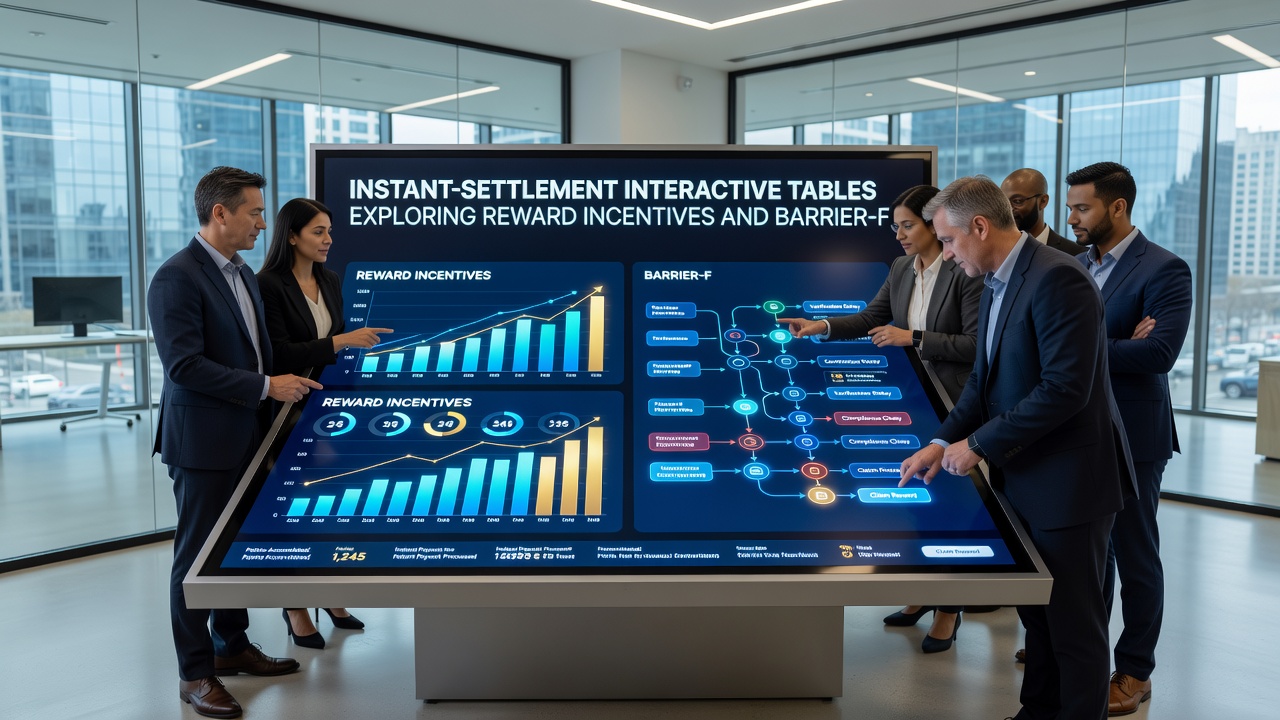
One study revealed that users who access tables via carrier-linked accounts experience fewer interruptions during peak hours, whereas those relying on manual verification encounter longer delays. Experts have observed that reward incentives tied to mobile deposits frequently include time-limited multipliers that apply to initial sessions, encouraging repeat visits within short windows. Platforms track these metrics through analytics dashboards that highlight retention rates linked to settlement speed.
Incentive Structures and User Engagement Data
Reward layers operate on progressive models where base bonuses scale with deposit size and frequency, while additional tiers unlock based on total session duration. According to reports from the Responsible Gambling Council in Canada, structured incentive programs correlate with measurable increases in average session length when paired with rapid payout confirmations. Those who've examined transaction logs across multiple operators note that instant settlement often pairs with hourly or daily cashout windows, though actual processing times vary by payment rail and account history.
Barrier-free mobile points extend beyond deposits to include seamless withdrawals that credit back to linked phone accounts or digital wallets within minutes in supported systems. Research indicates that adoption rates climbed steadily through the first half of 2026, driven by improvements in secure tokenization that protect user data during carrier transactions. People often find that these features appear most prominently in applications designed for iOS and Android environments, with cross-platform compatibility reducing friction for switchers between devices.
Regulatory Context and Market Developments
Regulatory bodies in various jurisdictions monitor these technologies for compliance with anti-money laundering standards, and updates from sources such as the Australian Institute of Family Studies highlight evolving guidelines around digital payment integration in gaming. July 2026 saw several operators roll out enhanced reporting tools that automatically flag unusual settlement patterns, aligning with broader industry efforts to balance speed and oversight. Observers note that these adjustments coincide with wider availability of low-latency networks, which support uninterrupted live table streams on mobile connections.
Case examples from platform analytics demonstrate that users utilizing instant settlement options complete more rounds per session on average, while reward redemption rates rise when incentives link directly to mobile entry points. Yet the underlying technology remains consistent across regions, relying on encrypted channels and real-time ledgers to handle both deposits and returns.
Conclusion
The combination of instant settlement, layered rewards, and simplified mobile access continues to shape how interactive tables operate for UK participants, with data showing steady expansion of these capabilities through 2026. Market figures indicate that platforms prioritizing these elements maintain higher engagement metrics, while regulatory frameworks adapt to accommodate faster transaction flows without compromising verification standards. Continued advancements in network infrastructure and payment rails suggest further refinements in settlement times and entry processes in coming periods.