5 Aug 2026
Digital Payment Innovations Expanding Reach to Live Gaming Tables and Incentive Programs in Global Markets
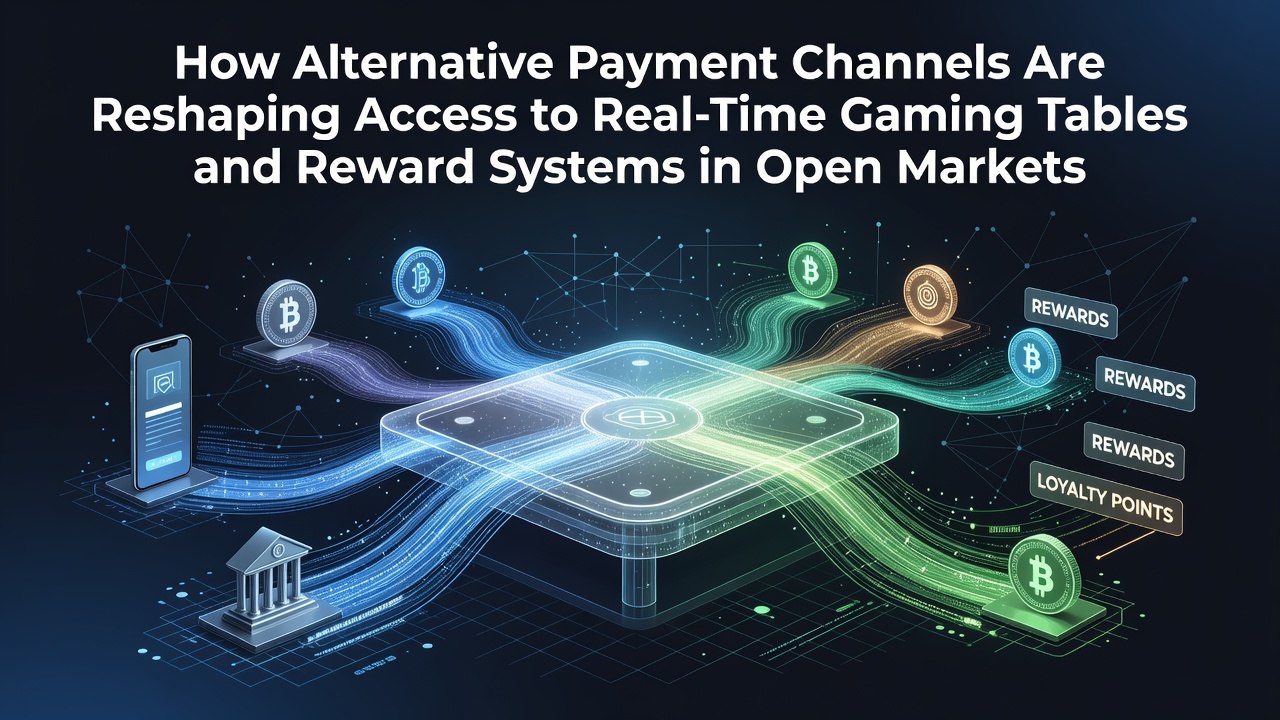
Alternative payment channels continue to alter how participants connect with real-time gaming tables and structured reward programs across open markets, with carrier billing, digital wallets, and cryptocurrency options appearing at the center of these shifts. Observers note that these methods reduce traditional friction points such as lengthy verification sequences and delayed fund transfers, allowing quicker entry into live dealer environments. Data from industry tracking services shows increased adoption rates through 2026, particularly in regions where regulatory frameworks permit diverse transaction types.
Carrier Billing and Instant Access Patterns
Phone-based billing systems integrate directly with mobile networks, enabling deposits that appear on monthly statements rather than requiring separate banking steps. Research indicates this approach supports immediate funding of live table sessions, where players join blackjack or roulette streams without pausing for account confirmations. In markets with open licensing structures, operators report higher session initiation rates when carrier options remain available, since the process bypasses some identity checks tied to conventional cards. Figures from mid-2026 highlight sustained usage growth in areas outside strict self-exclusion registries.
Wallet and Crypto Integration With Reward Layers
Digital wallets and blockchain transfers feed into layered incentive systems by linking transaction speed to bonus eligibility. Studies from academic sources reveal that platforms using these channels often tie progressive rewards, such as cashback tiers or multiplier credits, to deposit velocity and volume. Participants gain access to time-sensitive promotions on live tables because wallet confirmations complete in seconds rather than minutes. As of August 2026, market analyses show operators adjusting reward algorithms to accommodate fluctuating crypto values while maintaining compliance with local transaction reporting rules.
Real-Time Table Dynamics Under New Payment Flows
Live dealer platforms experience measurable changes in player retention when alternative channels dominate entry points. Data shows extended session durations in environments where deposits clear instantly, since users move from funding to active tables without interruption. One documented case involved operators in select European jurisdictions expanding mobile-optimized dealer rooms after wallet adoption rose sharply. Those platforms recorded elevated interaction with reward menus, where accumulated points convert to table credits or entry into exclusive live tournaments.
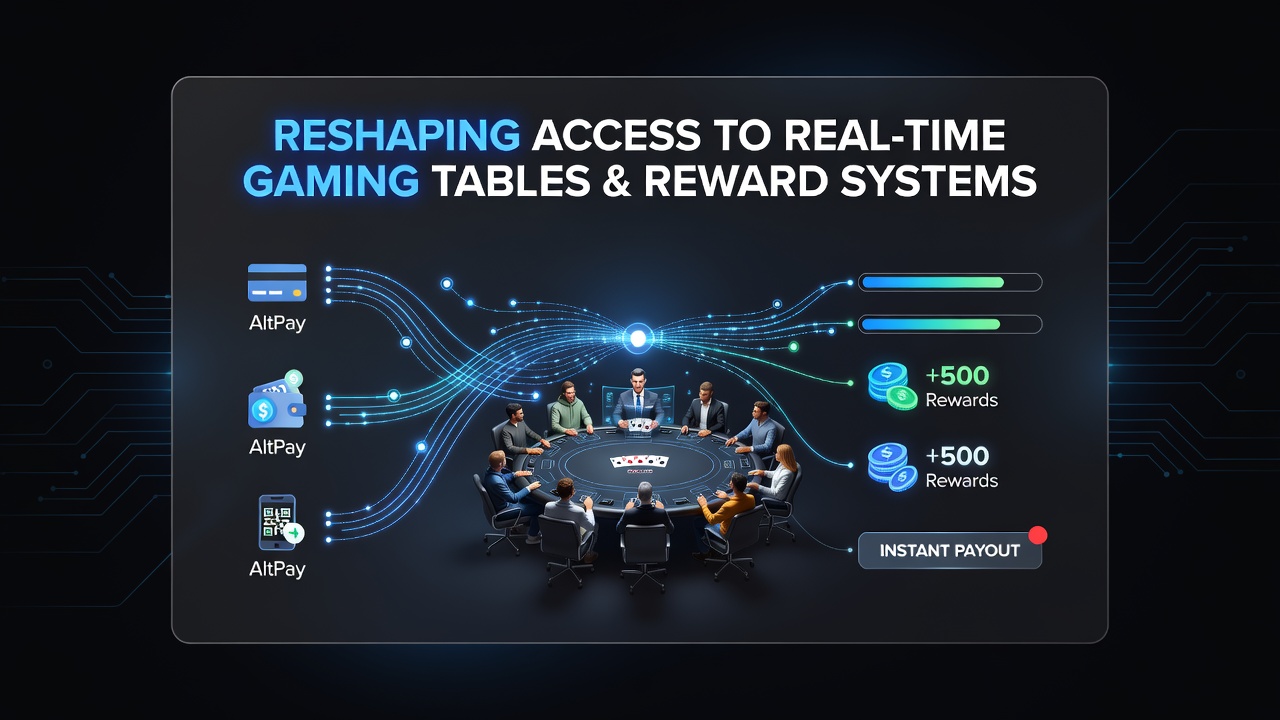
Regulatory bodies in multiple regions track these developments through periodic audits. The European Gaming and Betting Association compiles usage statistics that link payment variety to participation metrics in live formats. Meanwhile, reports from the Australian Communications and Media Authority document parallel trends in carrier-billed gaming access, noting correlations between streamlined deposits and reward program engagement rates.
Market Data and Adoption Trends Through 2026
Global tracking services compile evidence that alternative channels account for growing percentages of total deposits in open markets. Analysts observe that reward systems evolve in tandem, with operators introducing dynamic bonuses calibrated to payment method speed and cost efficiency. In August 2026, updated datasets indicated continued expansion of crypto-supported live table offerings, particularly where volatility hedging tools accompany player incentives. These patterns emerge most clearly in jurisdictions maintaining lighter verification mandates compared to heavily regulated zones.
University-led research projects examine how these payment shifts influence overall market structure. Findings suggest that reduced entry barriers via carrier or wallet routes correlate with broader access to real-time tables, while reward structures adapt by offering segmented tiers based on transaction history. Observers point to case examples where platforms in Canada and parts of Asia adjusted live dealer interfaces to display instant reward notifications tied directly to mobile billing confirmations.
Conclusion
Alternative payment channels continue reshaping connections between users, live gaming tables, and reward mechanisms by prioritizing speed and reduced procedural steps. Available data through August 2026 documents measurable increases in session starts and incentive participation where these options operate within permitted frameworks. Regulatory tracking and industry reports from varied regions provide ongoing snapshots of these adaptations without prescribing future directions.