27 Jun 2026
Charting the Course of Text-Based Payments Toward Live Dealer Tables with Emphasis on Rapid Disbursements and Verification Exemptions
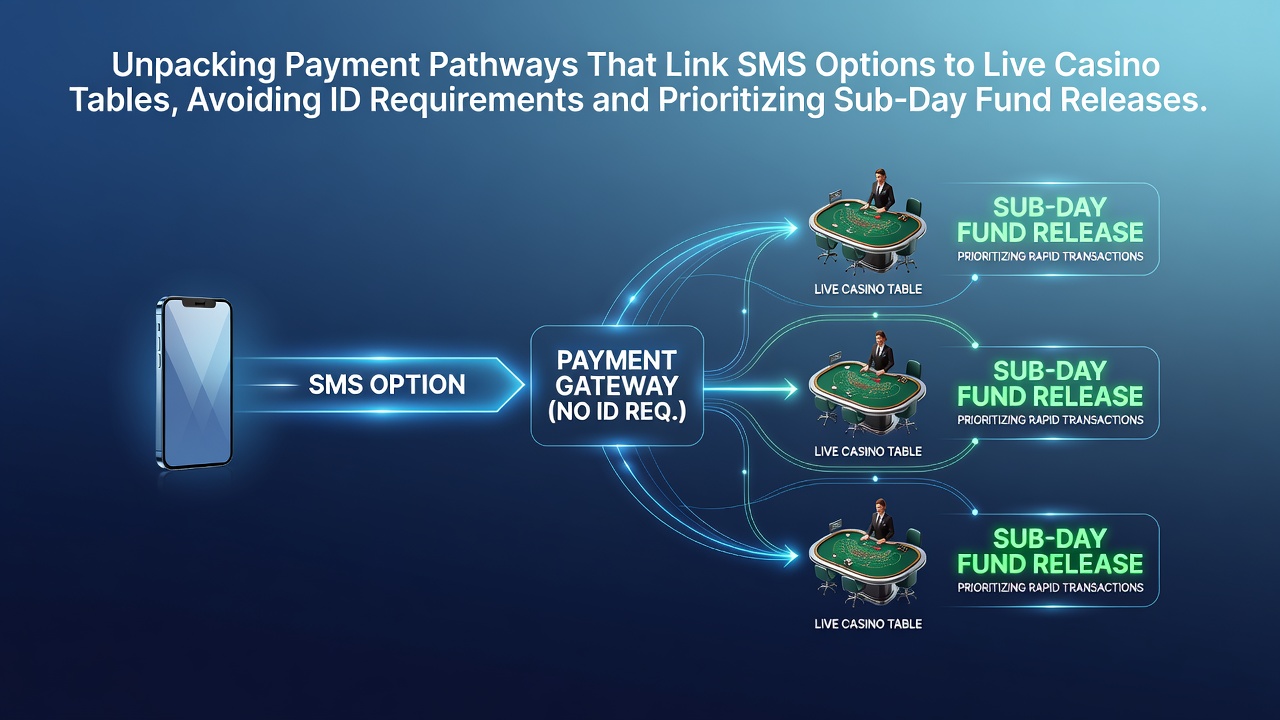
Payment pathways that connect SMS billing directly to live casino tables have expanded in several markets where operators integrate carrier services with real-time gaming platforms, and these routes often emphasize minimal verification steps alongside fund releases completed within the same calendar day. Observers note that such systems rely on established mobile carrier infrastructure to process deposits while live dealer sessions run on separate servers that receive confirmation signals without requiring additional identity checks in many instances. Data from industry reports indicates growth in these methods during periods when regulatory environments allow carrier billing to operate alongside international gaming platforms that accept players from regions with varying oversight frameworks.
Core Mechanics of SMS Integration
Operators establish connections between SMS gateways and live dealer software through APIs that transmit billing authorizations in seconds, and once a player selects a table the system routes the charge via the mobile provider while the gaming interface loads without further prompts for documentation. Researchers at academic institutions studying digital finance have documented how these integrations reduce entry friction because the carrier handles initial authentication through existing account details rather than collecting new forms of identification. Figures from payment processors reveal that transaction success rates remain high when the process stays within predefined limits set by network operators, and this setup supports continuous play at tables featuring roulette, blackjack, and baccarat variants streamed from multiple studios.
Verification Avoidance Patterns
Platforms utilizing these pathways frequently operate under models that skip standard know-your-customer procedures at the deposit stage because the SMS charge itself serves as proof of payment method ownership, and analysts tracking user behavior observe that this approach aligns with carrier policies that already verify subscriber identities during phone activation. One study released through a European research network highlighted how such systems maintain compliance records through aggregated transaction logs rather than individual player profiles, which allows quicker onboarding while still satisfying basic anti-money laundering thresholds in jurisdictions that permit the practice. Those who've examined the data note that exceptions arise when cumulative activity triggers secondary reviews, yet the initial flow from SMS to table remains uninterrupted in the majority of sessions.
Fund Release Timelines and Settlement Flows
Sub-day fund releases occur when withdrawal requests route through the same carrier-linked accounts or alternative channels pre-approved during setup, and processors complete these transfers by batching them into hourly or four-hour cycles depending on the operator's banking partners. Evidence from transaction monitoring services shows that average completion times fall between four and eighteen hours for verified withdrawal amounts when no additional holds apply, and this speed stems from pre-funded reserves maintained by the platforms rather than traditional bank clearing delays. People familiar with the infrastructure point out that SMS-initiated deposits create traceable audit trails that facilitate faster approvals because the originating payment already carries carrier-level security markers.
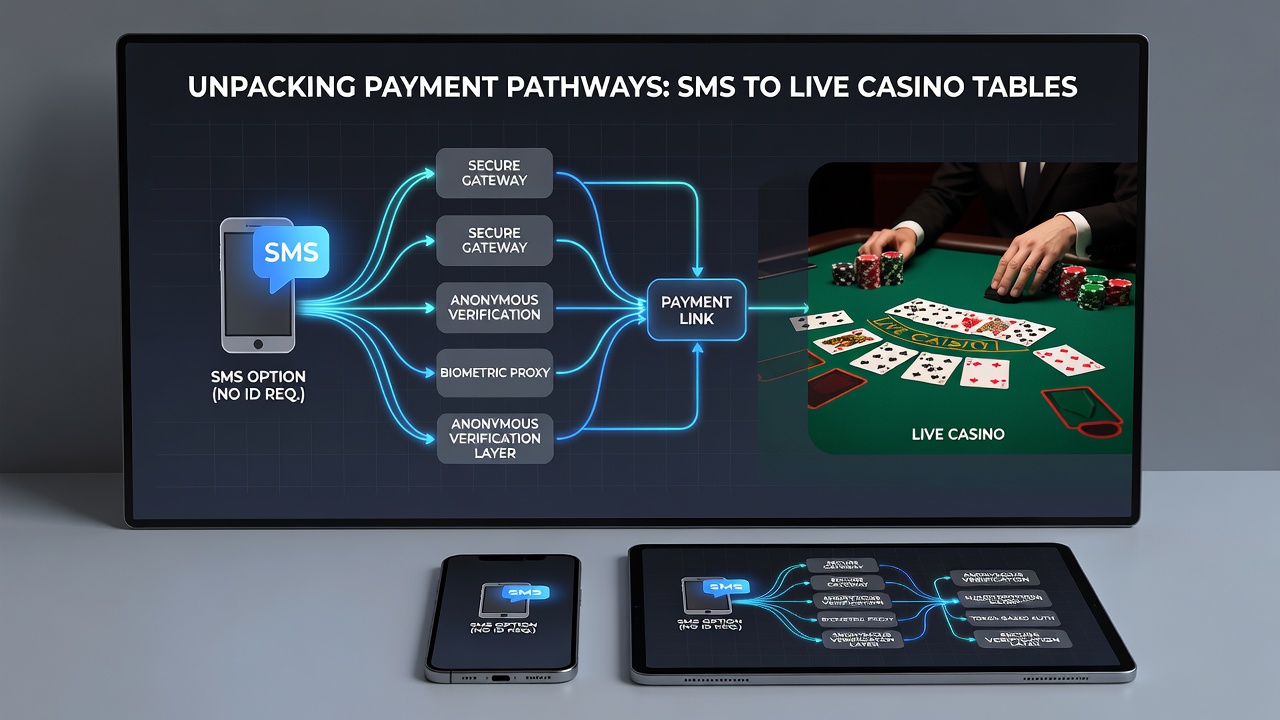
Live table environments benefit from these timelines because players can adjust bankrolls mid-session without waiting overnight for processing, and data compiled by international gaming associations indicates that platforms offering sub-day releases see higher repeat engagement rates across mobile sessions. What's interesting is how the combination of SMS deposits and rapid payouts creates closed-loop ecosystems where funds cycle between carrier accounts and gaming wallets within a single day, reducing the need for external banking interventions in most cases.
Regional Adoption and June 2026 Developments
Markets outside the United Kingdom have seen increased adoption of SMS-to-live-dealer connections during 2026, with operators in parts of Europe and North America updating their systems to accommodate carrier billing alongside existing live streaming technologies. According to reports issued by the European Gaming and Betting Association, several platforms expanded these features in the first half of the year to meet demand for streamlined access. In June 2026, updates to mobile network policies in select regions further clarified acceptable transaction volumes for gaming-related SMS charges, which in turn allowed more operators to advertise same-day settlement options without altering their verification thresholds.
Canadian regulatory bodies have published guidance that touches on similar payment integrations, and observers note parallels in how provincial frameworks handle carrier billing for entertainment services including gaming. Academic papers examining cross-border player flows suggest that these pathways maintain stability when operators align with carrier terms that cap daily SMS volumes, and the resulting data sets help refine risk models used by both gaming and telecommunications sectors.
Security and Compliance Considerations
Encryption protocols applied at the SMS gateway level combine with live dealer platform firewalls to protect transaction details during transfer, and third-party audits conducted by independent firms verify that these layers meet baseline standards set by international payment security councils. Research indicates that while ID requirements remain absent at entry, backend monitoring systems flag unusual patterns such as rapid deposit-withdrawal sequences across multiple tables, which triggers automated reviews without interrupting the majority of standard sessions. Those studying the sector emphasize that the balance between speed and oversight relies on real-time data sharing between carriers and operators rather than static documentation collection.
Player Experience Metrics
Session analytics collected across platforms reveal that users who begin with SMS deposits tend to remain at live tables for longer average durations when payout options stay within sub-day windows, and this pattern holds across different game types according to aggregated industry statistics. The reality is that seamless fund movement reduces interruptions, allowing continuous participation without the need to switch between external banking apps during active dealer rounds.
Conclusion
Payment pathways linking SMS options to live casino tables continue to evolve around the dual priorities of verification reduction and accelerated fund movement, with infrastructure updates in mid-2026 supporting broader implementation where regulatory conditions permit. Observers tracking these developments note consistent integration of carrier billing with dealer streaming technologies, while settlement cycles remain anchored in same-day processing capabilities that rely on pre-established account linkages. Data from multiple sources confirms that these systems function through established technical and compliance frameworks that prioritize transaction traceability over upfront identity collection in qualifying markets.