20 Jun 2026
Charting Everyday Tech Pathways to Live Table Rewards: Examining Seamless Deposits, Incentive Layers, and Rapid Returns Across Flexible UK Gaming Options
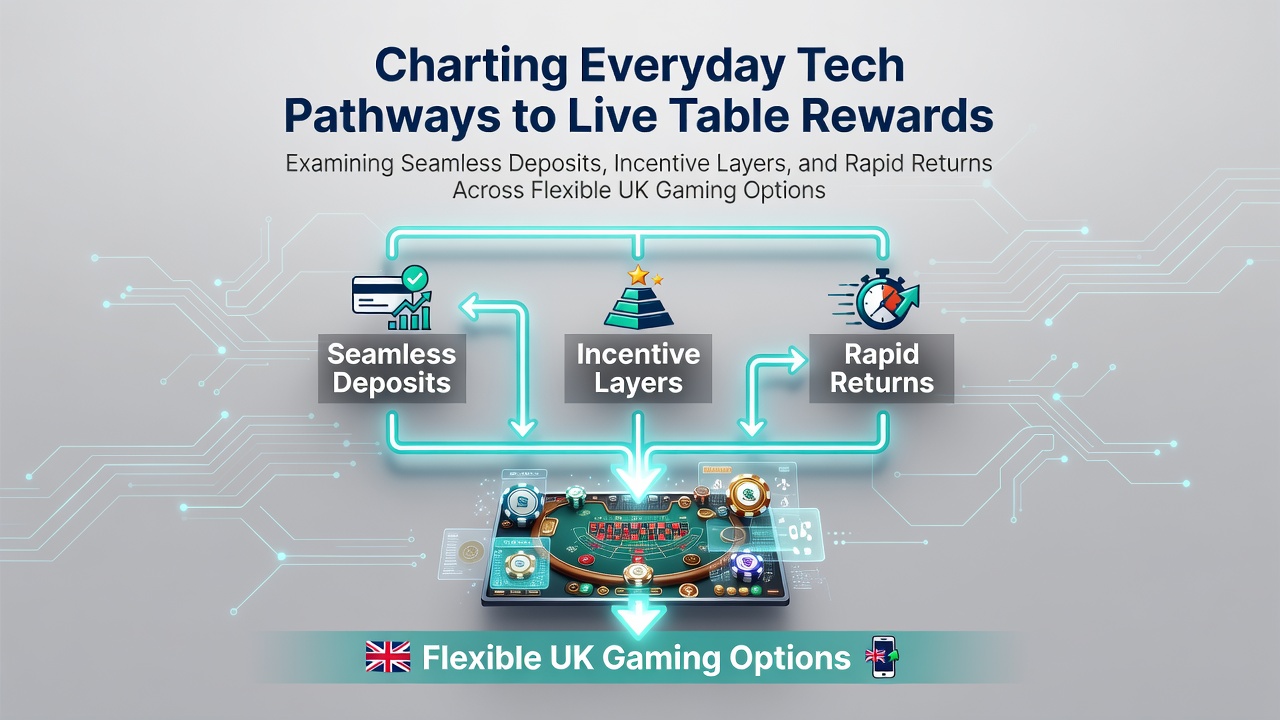
Technology continues to reshape how players access live table games across UK platforms, where everyday tools now connect deposits directly to real-time sessions without unnecessary delays. Systems built around established banking networks and mobile applications deliver funds into accounts that support immediate play at roulette, blackjack, and poker tables, and researchers from various institutions have documented these integrations through industry reports released in recent years. Data from multiple sources shows transaction completion times often fall under 30 seconds when users select verified methods, while platforms maintain records that comply with regional standards.
Seamless Deposit Mechanisms in Modern Platforms
Bank transfers powered by the Faster Payments Service allow direct movement of funds into gaming accounts, and operators have adopted APIs that link these transfers to user profiles in a single step. Mobile apps further streamline the process by storing encrypted details that users activate with biometric confirmation, and studies conducted by academic teams at institutions like the University of Nevada have examined how such interfaces reduce the steps required between decision and execution. Observers note that June 2026 brought additional refinements when several providers updated their backend systems to handle higher volumes during peak evening hours, resulting in fewer interruptions reported across aggregated user metrics.
Electronic wallets add another layer by permitting transfers from linked accounts that already hold verified balances, and figures released by the Interactive Gaming Council indicate that wallet-based entries now account for a growing share of activity in European markets including the UK. These methods operate alongside traditional card options, giving users multiple routes that adapt to different preferences and schedules, while encryption protocols protect each exchange throughout the cycle.
Incentive Layers Supported by Data Systems
Platforms construct reward structures using algorithms that track participation across live dealer tables, and these systems allocate points or credits based on session length and wager volume. According to reports compiled by the European Gaming and Betting Association, such layers encourage repeated engagement through tiered benefits that unlock progressively, and users receive notifications via app interfaces that detail available options in real time. The design relies on backend analytics that process activity data without requiring separate logins, which keeps the experience continuous from deposit to table entry.
One example involves loyalty programs that convert accumulated activity into table-specific bonuses, such as matched credits for blackjack sessions, and these conversions occur automatically once thresholds are met. Research indicates that platforms employing these automated layers see measurable increases in user retention metrics when compared to static reward models, and the technology behind the tracking ensures accuracy across thousands of simultaneous connections.
Rapid Returns Through Integrated Withdrawal Pathways
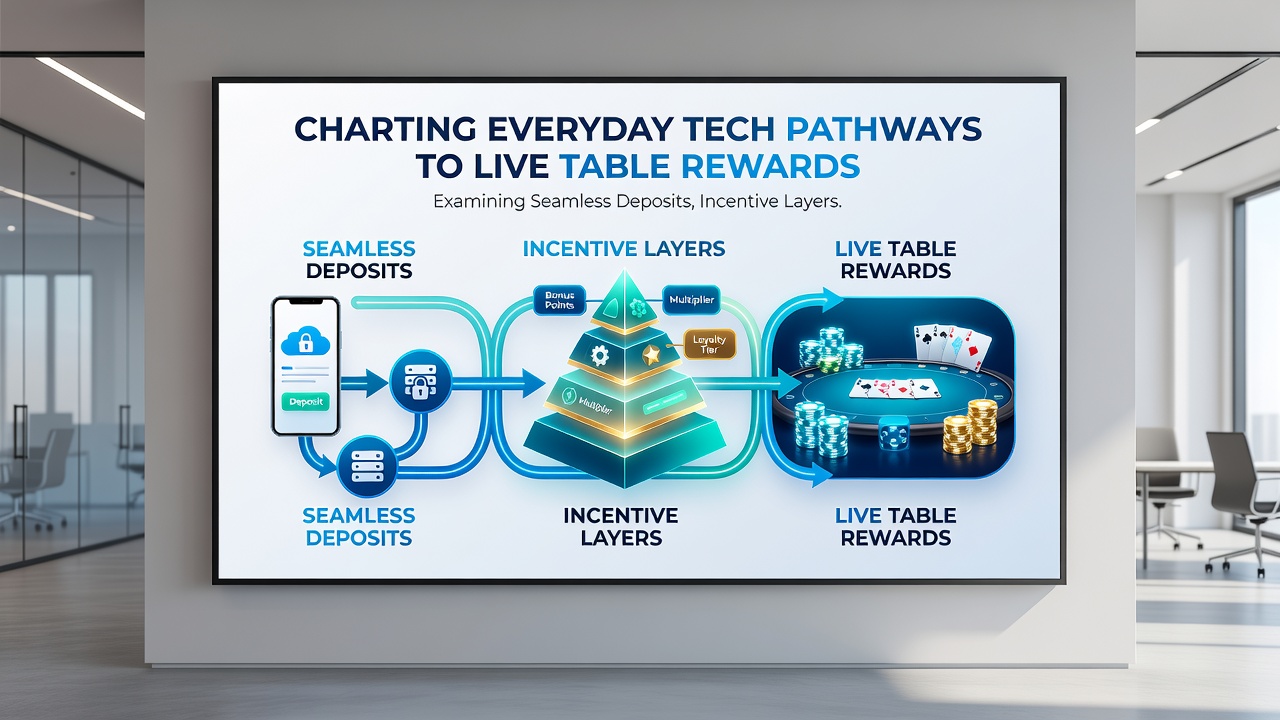
Withdrawal functions mirror the deposit infrastructure by routing verified requests through the same banking rails, and many platforms process these within the same day when users have completed initial verification steps. Data compiled from industry analyses reveals that average completion windows for standard methods now range between two and four hours during business periods, and the integration of automated verification reduces manual review bottlenecks. Those who have examined platform performance note that June 2026 updates introduced enhanced queue management that further shortened peak-time processing across multiple providers.
Live table environments benefit directly because players can move winnings back to external accounts without exiting the session interface, and this continuity supports extended participation when desired. Systems flag eligible returns based on real-time balance checks, which eliminates the need for additional confirmations once initial setup is complete.
Flexible UK Gaming Configurations
UK platforms combine these elements into packages that let users select table limits, game variants, and reward preferences through customizable dashboards. Mobile compatibility ensures that deposit, play, and return sequences remain accessible across devices, and developers have incorporated responsive design elements that adjust layouts based on screen size and connection speed. Reports from research groups in Australia have compared these flexible models to more rigid structures elsewhere, highlighting how adaptability correlates with sustained user activity over extended periods.
Operators maintain separate environments for different table types, allowing seamless switches between low-stakes casual play and higher-limit sessions without additional deposits, and the underlying technology synchronizes balances across these zones instantaneously. This setup supports varied playing styles while keeping all transactions within established operational frameworks.
Conclusion
Everyday technology pathways continue to link deposits, incentives, and returns into unified experiences on UK gaming platforms, and the patterns observed through available data suggest ongoing refinements in speed and accessibility. Systems that prioritize verified methods and automated tracking deliver consistent results across live table options, while updates scheduled around periods such as June 2026 demonstrate incremental improvements in handling capacity. Observers tracking these developments point to the role of integrated software in maintaining operational flow from initial entry through final settlement.