10 Jun 2026
Analyzing Incentive Designs for Real-Time User Engagements in Mobile Carrier Billing Systems
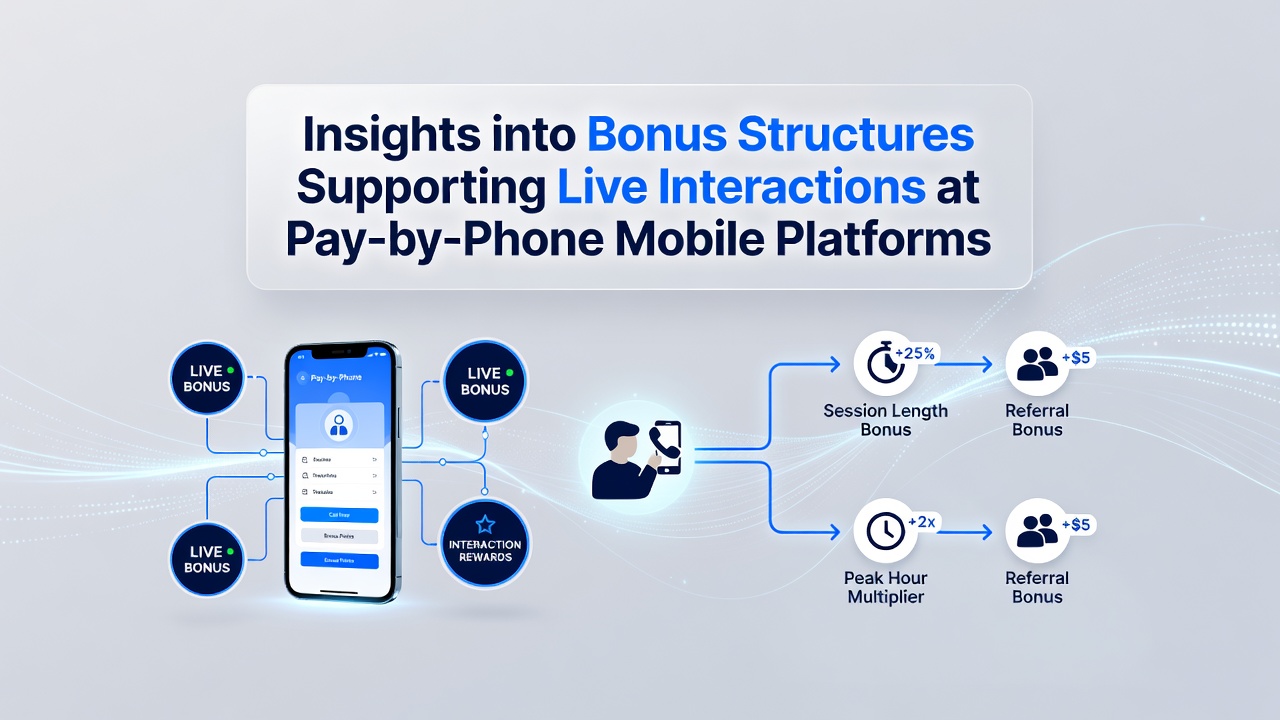
Pay-by-phone mobile platforms have expanded their reach into live interaction services over recent years, and incentive structures play a central role in sustaining user participation across these systems. Data from industry reports indicate that carrier billing integrations allow seamless transactions during real-time sessions, while bonus mechanisms encourage prolonged engagement without requiring separate payment setups. Observers note that such designs often tie rewards directly to interaction frequency and duration, creating measurable patterns in user behavior that service providers track through analytics dashboards.
Core Components of Carrier Billing in Live Platforms
Mobile carrier billing operates by charging users through their existing phone accounts rather than demanding credit card details at each step, which streamlines access to live features like video consultations or interactive broadcasts. Researchers at various telecommunications studies have documented how this method reduces transaction friction, and figures reveal higher completion rates for sessions when billing occurs in the background. Bonuses typically layer on top through tiered rewards such as additional data allocations or session extensions that activate after certain thresholds are met, and these elements support continuous live exchanges by offsetting potential costs users might otherwise face.
Those who've examined platform architectures find that bonus structures frequently incorporate time-based triggers, where participation in live segments unlocks credits redeemable for future interactions. This approach aligns billing cycles with engagement metrics, allowing providers to maintain steady revenue flows while users experience tangible returns. Evidence suggests integration with carrier APIs enables real-time updates to bonus balances, ensuring participants see immediate confirmations during active sessions.
Varied Models of Bonus Allocation
Service operators deploy several bonus models tailored to live environments, including loyalty multipliers that scale with consecutive days of interaction and volume-based credits awarded for total minutes spent in sessions. According to analyses from mobile industry associations, these frameworks often segment users by activity level, granting escalating benefits to frequent participants while offering entry-level rewards to newcomers. What's interesting is how some platforms combine cash-equivalent credits with experiential perks, such as priority access to high-demand live slots, which data shows correlates with increased session retention across diverse demographics.
Another prevalent structure involves partnership-driven bonuses, where carriers collaborate with content hosts to bundle rewards like promotional minutes or enhanced resolution options during live streams. Studies conducted in multiple regions demonstrate that such collaborations expand platform reach, as users respond positively to cross-service incentives that feel integrated rather than separate promotions. And yet the mechanics remain grounded in billing data, with automated systems adjusting bonus eligibility based on payment history and interaction logs.
Support Mechanisms for Sustained Live Participation
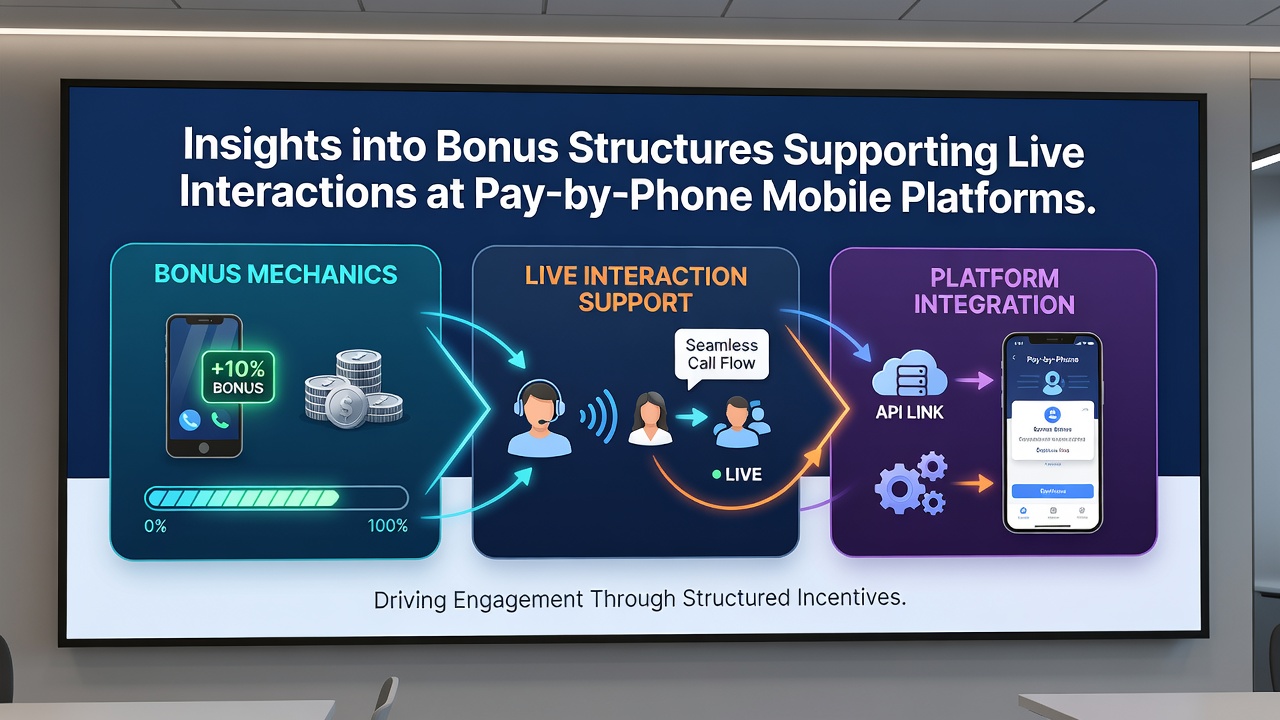
Bonus structures directly facilitate live interactions by mitigating cost barriers that could interrupt sessions mid-flow, and platform logs indicate users extend their time online when rewards accumulate visibly. Those monitoring these systems observe that real-time notifications about earned bonuses prompt immediate follow-up actions, such as joining additional live rooms or extending current ones. Research indicates this feedback loop strengthens user-platform bonds, particularly when bonuses align with peak interaction periods like evening hours or event-driven broadcasts.
Platforms also incorporate adaptive bonuses that respond to session quality metrics, rewarding clear connections or high engagement scores with extra credits. This method draws from behavioral data compiled by service analytics teams, revealing patterns where incentivized users maintain higher interaction quality over extended periods. External sources such as reports from the GSMA highlight how carrier billing combined with these incentives supports global scalability for live services in emerging markets.
Regional Implementation Patterns and Data Trends
Implementation varies by region, with European operators emphasizing data bonuses tied to live educational sessions while North American platforms focus on entertainment-oriented rewards. Figures from the Australian Communications and Media Authority show similar trends in carrier-funded live support tools, where bonus credits reduce dropout rates during extended consultations. In June 2026, ongoing platform updates incorporated enhanced tracking for these structures, allowing finer adjustments based on aggregated usage statistics from the preceding quarter.
Academic inquiries from institutions like those publishing in telecommunications journals further detail how these designs influence overall system efficiency, noting reduced support ticket volumes when users self-serve through bonus-activated features. Observers point to case examples where mid-sized carriers reported upticks in live session volumes after refining their reward tiers, with the changes documented through internal performance reviews rather than external mandates.
Conclusion
Bonus structures within pay-by-phone mobile platforms continue to evolve alongside live interaction capabilities, supported by data-driven refinements and carrier integrations that prioritize seamless billing experiences. Patterns observed across multiple studies underscore the role these incentives play in maintaining user activity levels, while regional adaptations reflect local usage preferences. As platforms advance their tracking capabilities, the connection between reward allocation and real-time participation remains a focal point for ongoing operational analysis.